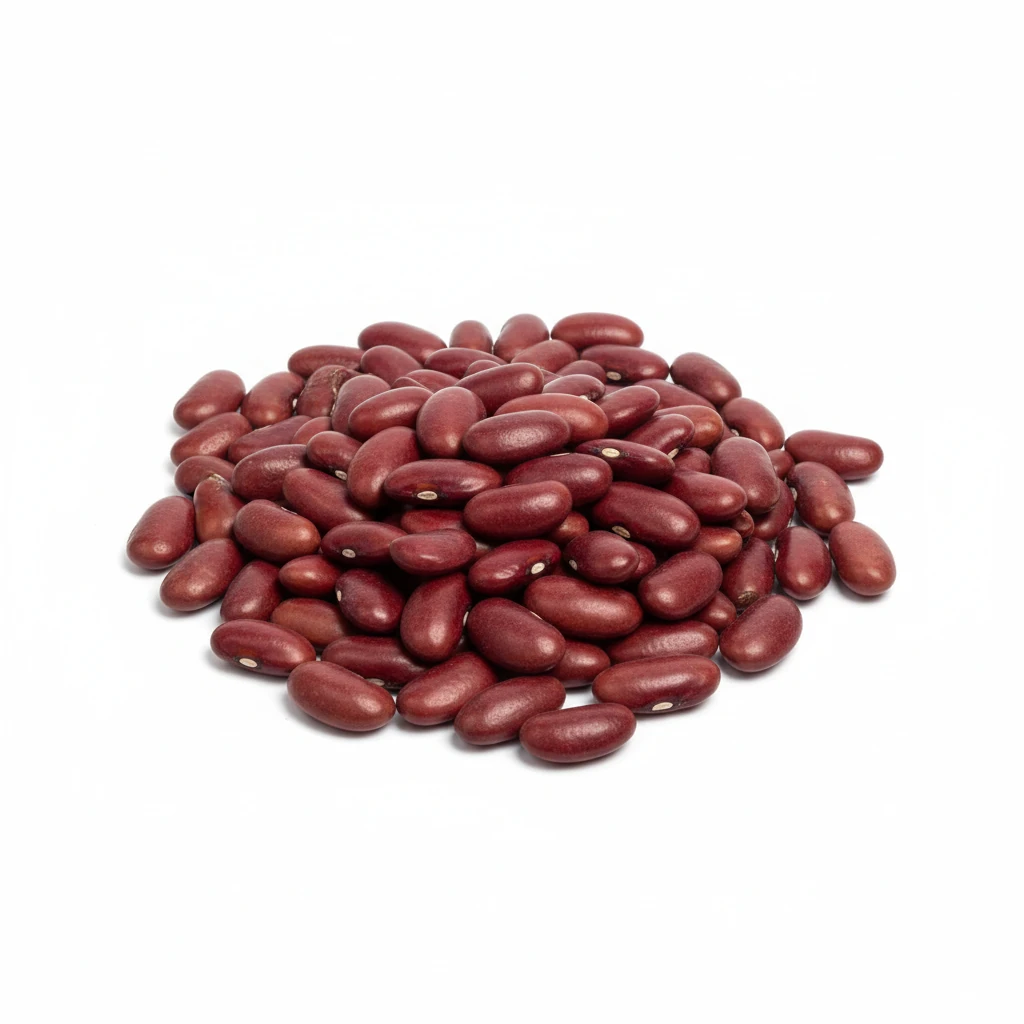
Beans for Babies: How to Serve Them Safely
Yes. Very soft cooked beans are a plant iron and protein food from about 6–8 months. Mash or flatten them so they are not round choking hazards. Rinse canned beans to reduce salt.
Can babies eat beans?
Yes, when they are cooked until they mash easily. Whole firm beans can slip into the airway.
When can babies have beans?
Often from 6–8 months as an iron-rich vegetarian option. They belong in complementary feeding, not only after age 1.
Beans provide plant protein, fiber, and iron. Pair with vitamin C foods to help iron absorption.
How to serve beans
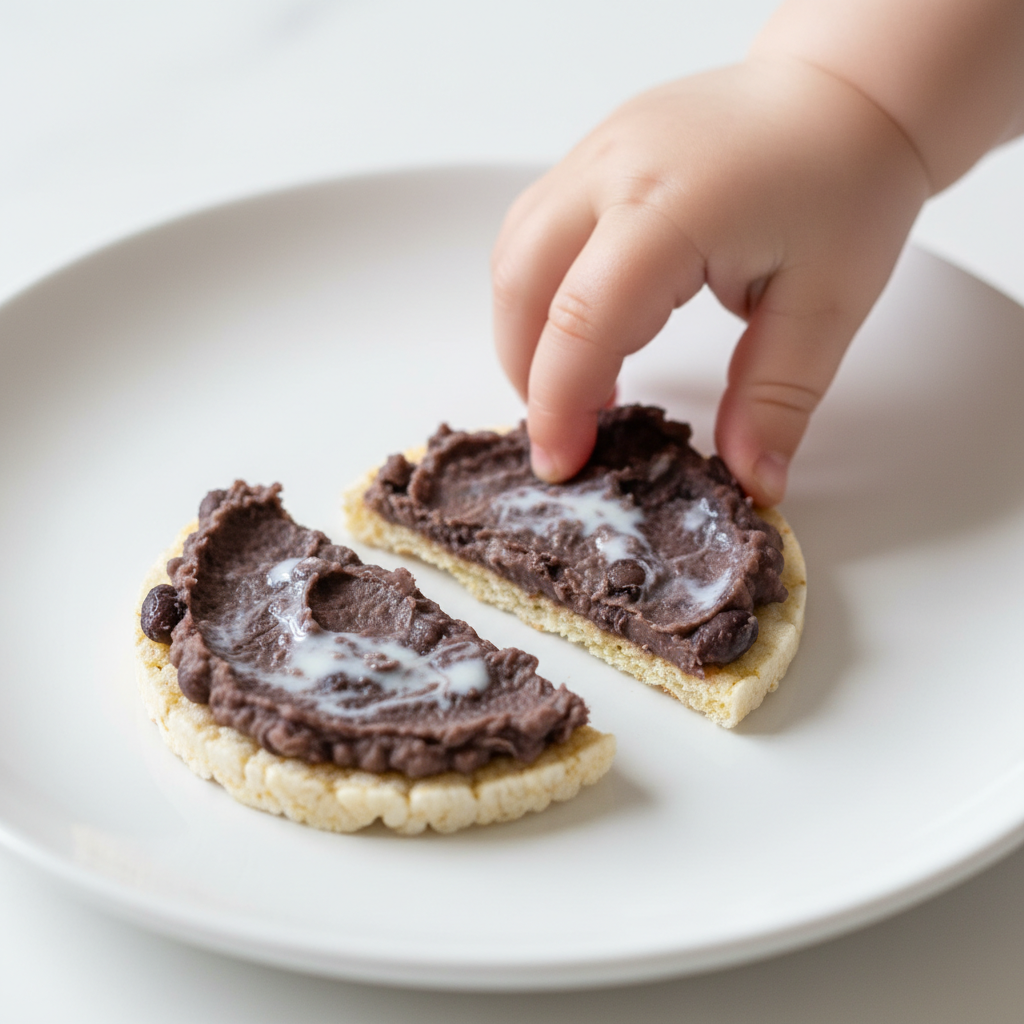
How to serve beans at 6 months
Mash cooked beans and offer a scoopable pile, or mix with yogurt. Start with a small amount because of gas.
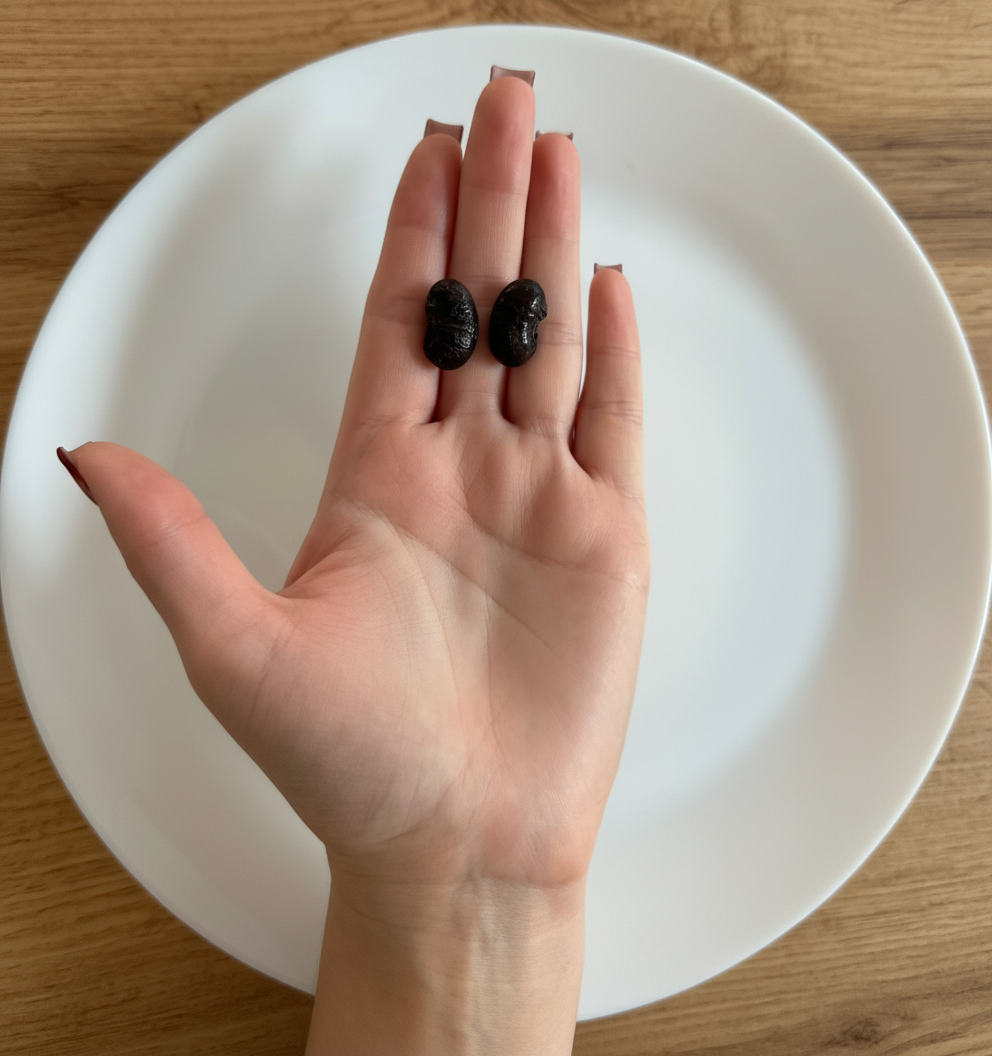
How to serve beans at 9 months
Flatten beans before serving, or keep them mashed for scooping.
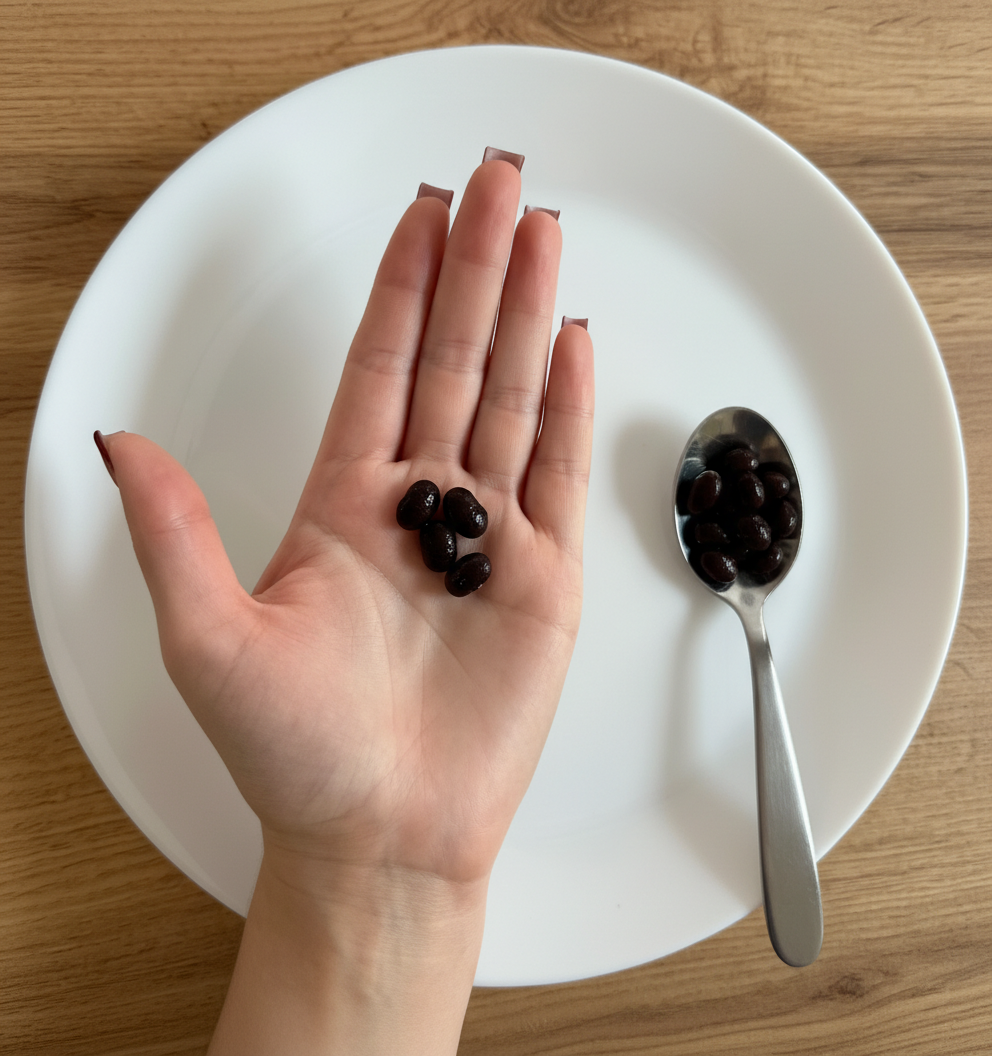
How to serve beans at 12+ months
Whole soft beans can be offered if chewing is reliable. Keep supervising.
Are beans a choking hazard?
Round whole beans are a choking risk. Mash or flatten until chewing is strong.
Are beans an allergen?
Most beans are not major allergens. Soy is a separate major allergen (see tofu).
How much beans can a baby eat?
A tablespoon of mash is a reasonable start. Increase as tolerated.
Do beans need to be cooked?
Yes. Dried beans must be soaked and boiled until very soft. Canned beans should be rinsed and heated/mashed.
Can babies eat frozen beans?
Cooked beans freeze well.
How to prepare beans
- Cook until mashable, or rinse canned beans.
- Mash or flatten.
- Optional: mix with a vitamin C fruit.
Storage
- Refrigerate cooked beans 3–5 days.
- Freeze extra portions.
Frequently asked questions
Do beans cause gas?
They can. Start small, cook well, and keep offering. Gas alone is not a reason to avoid legumes.
Sources
- Starting Solid Foods — American Academy of Pediatrics
- When, What, and How to Introduce Solid Foods — CDC
- Complementary feeding — World Health Organization
- Your baby’s first solid foods — NHS
Reviewed by Morvarid Nikousokhantayar, Canadian Child Nutrition & BLW Expert.