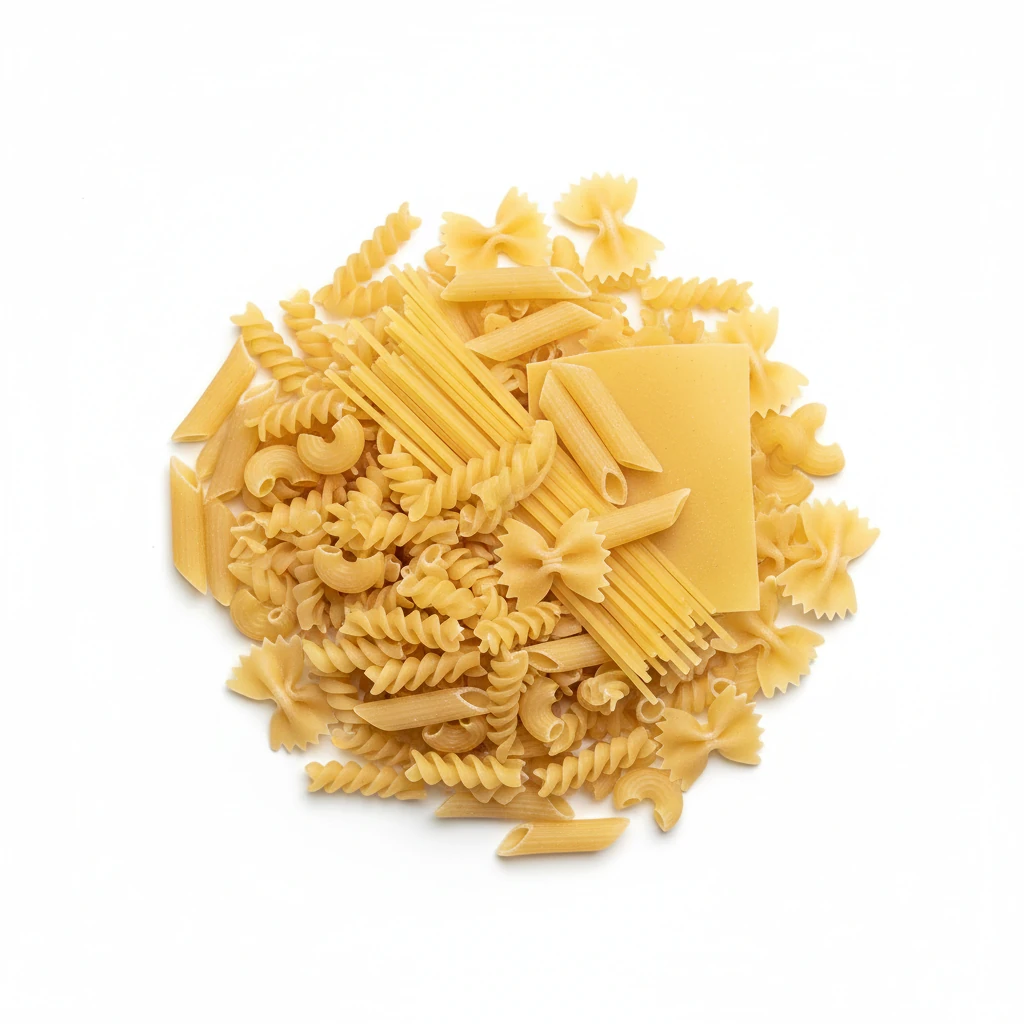
Pasta for Babies: How to Serve Them Safely
Yes. Soft-cooked pasta can be offered once wheat is being introduced, often around 6–8 months. Overcook it until easily mashable and choose large shapes a baby can hold. Wheat is a common allergen.
Can babies eat pasta?
Yes, when it is very soft. Large tubes such as rigatoni are easier at the start than thin spaghetti, which can wrap or clump.
When can babies have pasta?
When you are ready to introduce wheat, often in the first months of solids. There is no need to delay gluten for allergy prevention.
Pasta is mainly carbohydrate energy. Some products are iron-fortified. Pair pasta with a protein and a vegetable so the plate is not only starch.
How to serve pasta
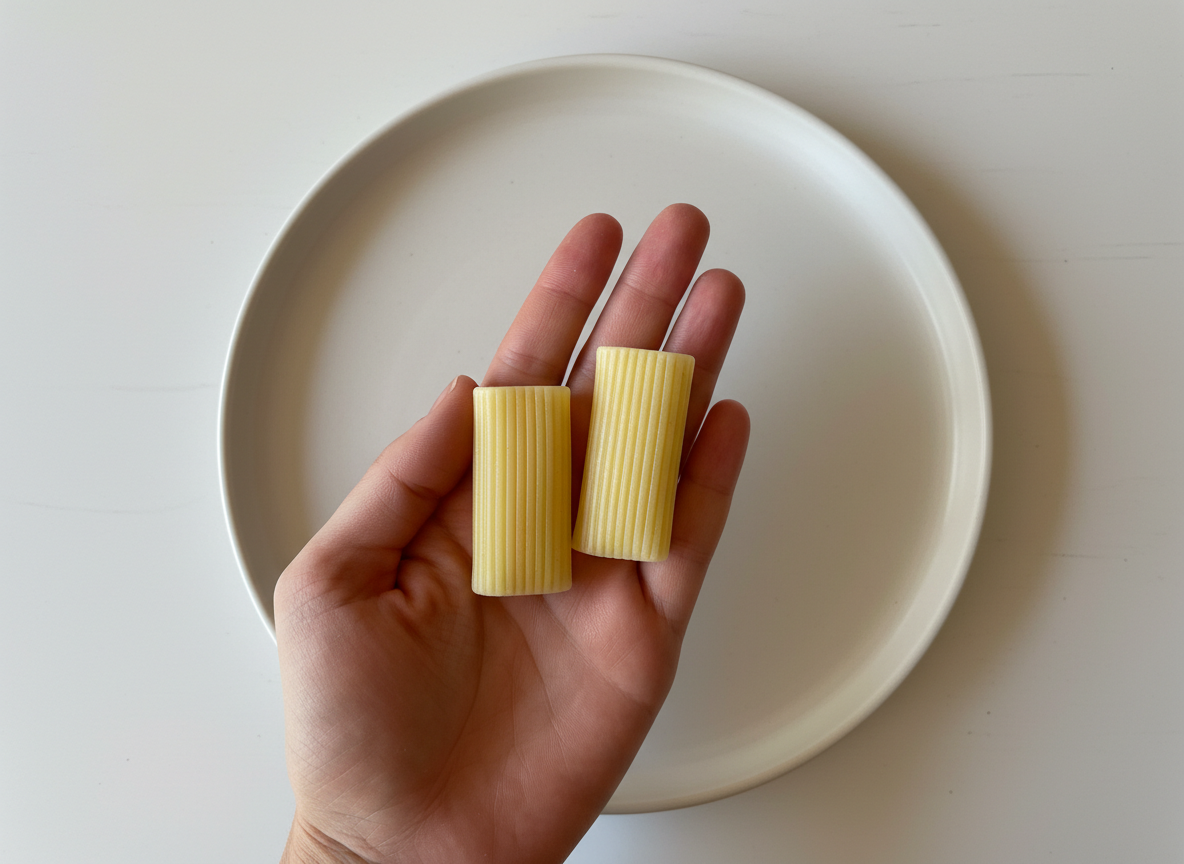
How to serve pasta at 6 months
Offer large, soft tubes or wide noodles. Sauce should be smooth, low-salt, and easy to mash. Chop long noodles.
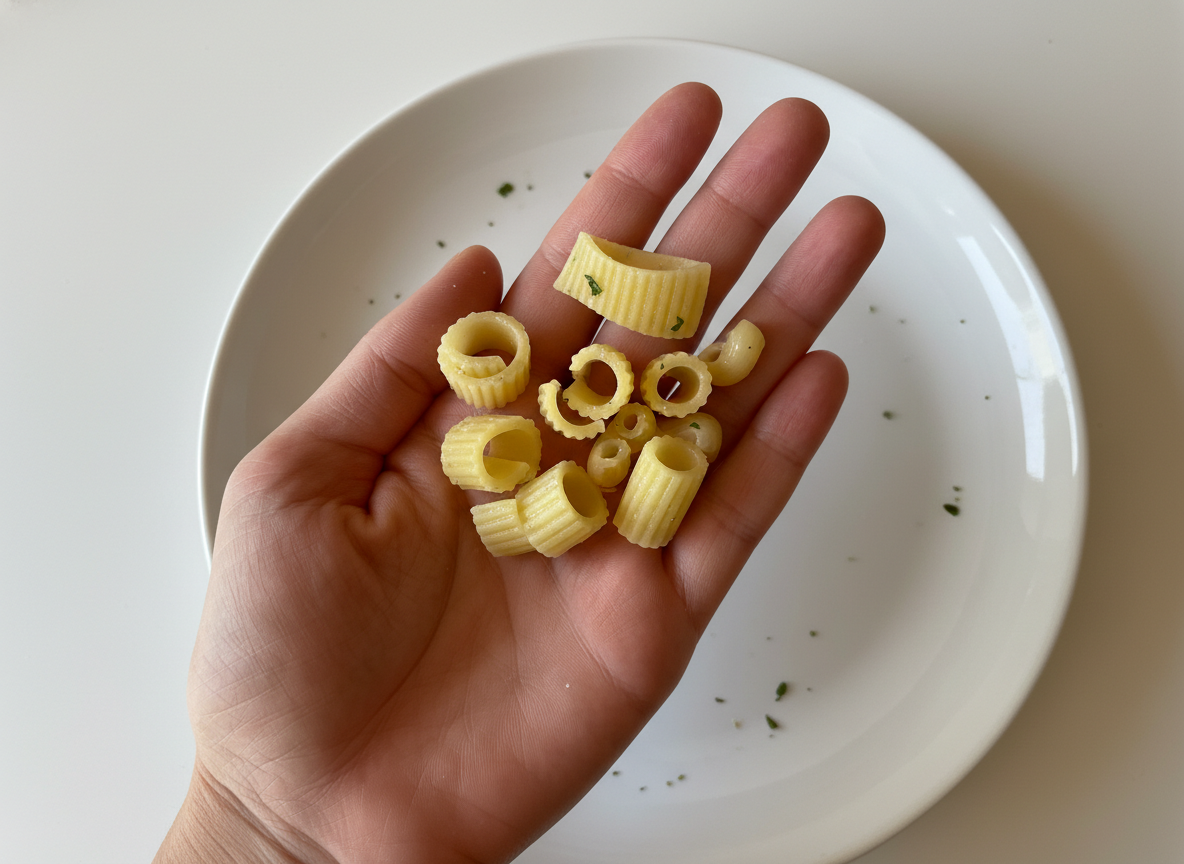
How to serve pasta at 9 months
Cut large tubes in half, or offer macaroni-size pieces for pincer grasp. Continue to cook past the usual “al dente.”
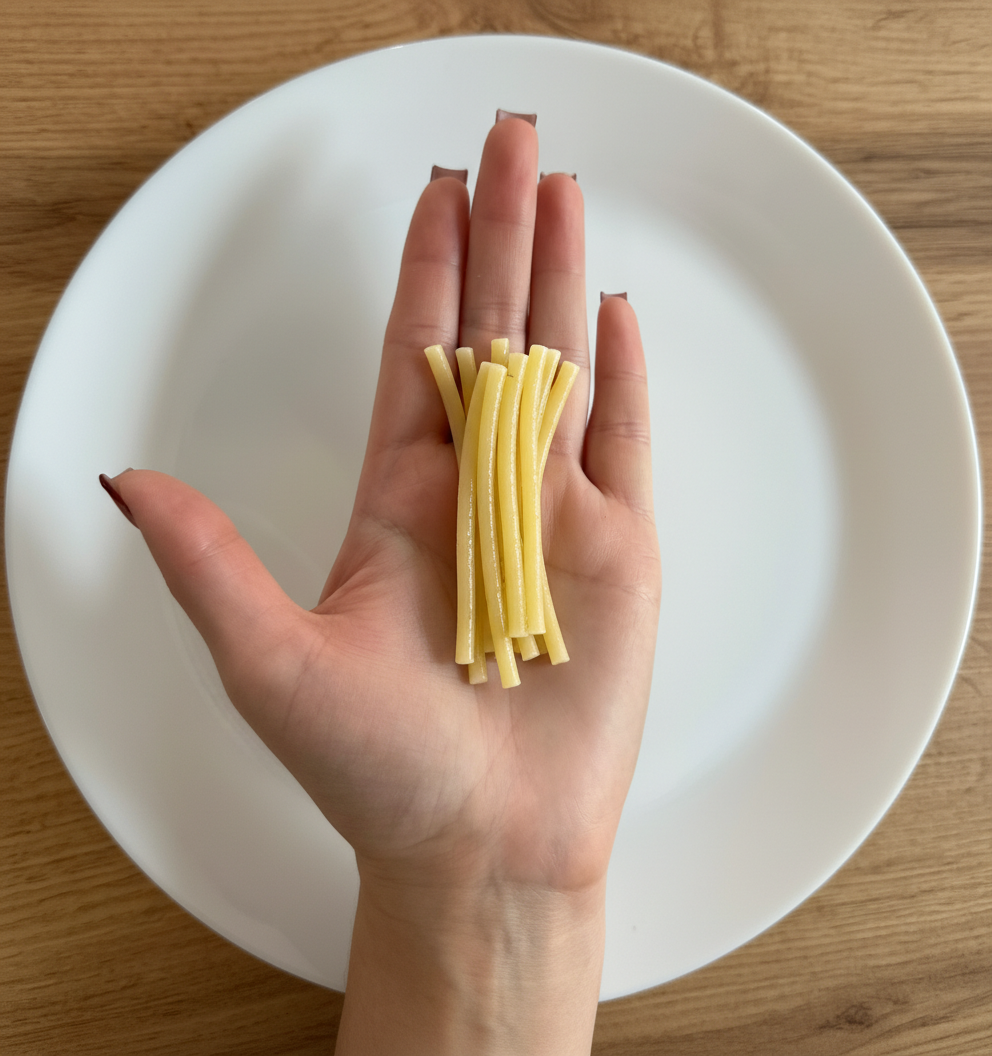
How to serve pasta at 12+ months
More shapes are fine. Cut long noodles into shorter pieces. Hand-scooping sauce is normal.
Are pasta a choking hazard?
Firm al dente pasta and whole cherry tomatoes on pasta are the usual problems. Cook until mashable and cut round foods.
Are pasta an allergen?
Wheat pasta contains gluten, a common allergen. Egg pasta contains egg. Read the label if you are introducing one allergen at a time.
How much pasta can a baby eat?
A small handful of pieces is enough at first. Sauce and protein matter more than a large pile of noodles.
Do pasta need to be cooked?
Yes. Pasta must be fully soft. Undercooked pasta is not a baby food.
Can babies eat frozen pasta?
Cooked pasta can be refrigerated 3–5 days. Texture is better fresh than frozen.
How to prepare pasta
- Boil until very soft, past package time.
- Drain well.
- Toss with a smooth sauce or olive oil so pieces are not dry.
Storage
- Refrigerate cooked pasta 3–5 days.
- Cool before storing.
Easy pasta recipes
Frequently asked questions
Is whole wheat pasta better?
Either works. Whole wheat has more fiber; white pasta is often easier to mash. Choose the texture your baby can handle.
Sources
- Addendum guidelines for the prevention of peanut allergy in the United States — NIAID
- Food Allergies in Babies and Children — American Academy of Allergy, Asthma & Immunology
- Starting Solid Foods — American Academy of Pediatrics
- When, What, and How to Introduce Solid Foods — CDC
- Complementary feeding — World Health Organization
- Your baby’s first solid foods — NHS
Reviewed by Morvarid Nikousokhantayar, Canadian Child Nutrition & BLW Expert.